
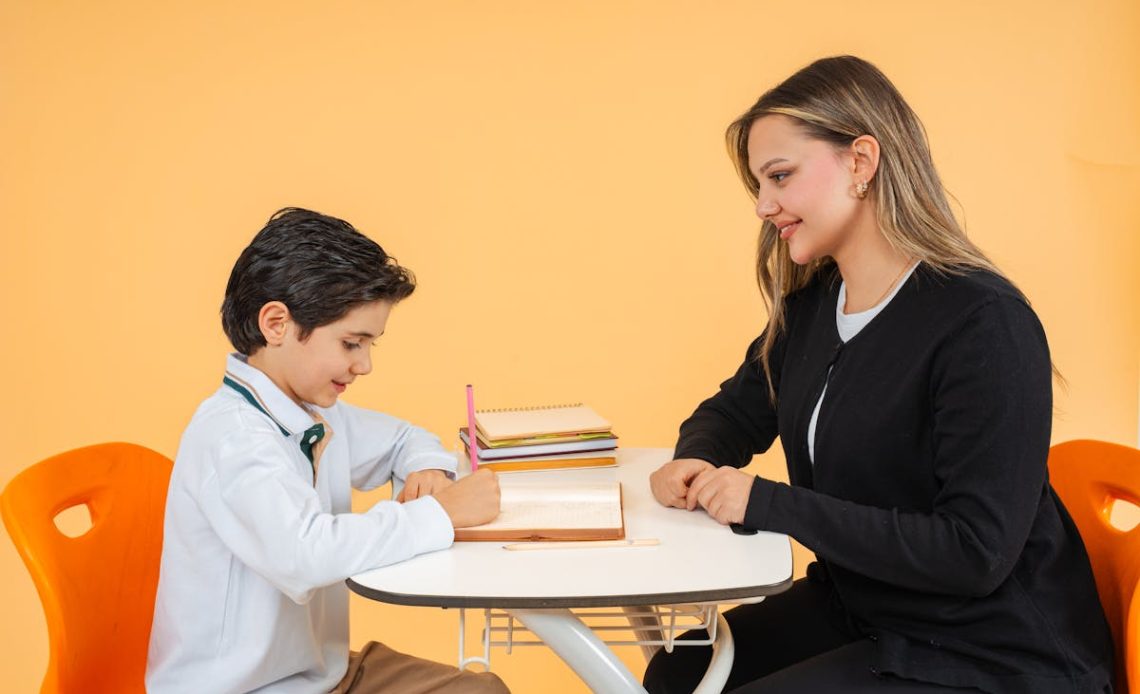
Self-discipline is not an innate trait that some children simply have and others do not. It is a skill, and like all skills it develops through practice, through feedback, and through the gradual accumulation of small experiences in which a child chooses to do the harder thing. Parents and schools can do a great deal to support this development, provided they understand what it actually involves.
Delayed Gratification Is Learnable
The research on self-discipline in children consistently points to the same conclusion: children who are better able to delay gratification, to wait for a better outcome rather than taking the easier reward immediately, tend to fare better across a wide range of life outcomes. The good news is that this capacity is not fixed at birth. It develops in response to environment, modelling, and practice.
Routine Is the Foundation
For young children, self-discipline is largely a product of external structure. A consistent daily routine, predictable expectations, and clear consequences for choices all help children internalise the kind of order that will eventually become self-regulation. Asking a young child to simply “be more disciplined” without providing structure is like asking someone to build a wall without any materials.
Model and Narrate
Children learn what self-discipline looks like by watching the adults in their lives exercise it. Narrating the process helps: “I really wanted to check my phone then but I decided to finish this first” gives a child a model of internal decision-making that they can begin to apply to their own choices. Independent preparatory schools with a focus on the whole child such as The Manor Preparatory School in Abingdon embed character development and self-management across the school day, helping pupils practise the habits of organised, purposeful learning from an early age.
Small Wins Matter Enormously
Self-discipline builds on itself. A child who successfully completes a difficult task, sticks with a piece of music until it sounds right, or finishes a project they would rather have abandoned, accumulates genuine evidence that they are capable of managing their own behaviour. These experiences are the raw material of self-belief, and they are built one small decision at a time.
Find out more about The Manor Preparatory School at www.manorprep.org.
| About The Manor Preparatory School: The Manor Preparatory School is a co-educational independent school in Abingdon, Oxfordshire, for pupils aged 2 to 11, with a strong focus on academic achievement, creative arts, and the development of the whole child. |