
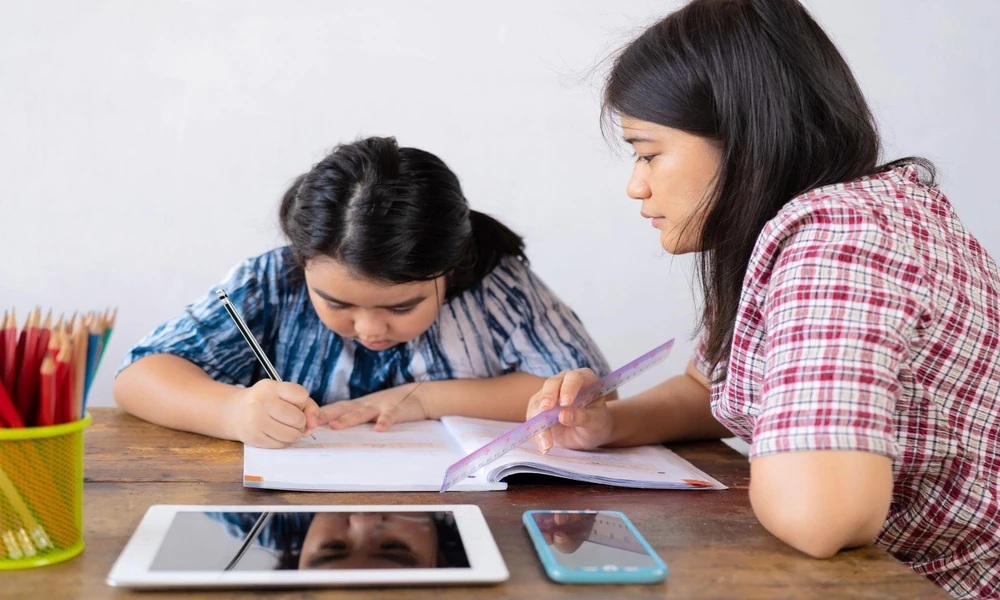
Many parents begin searching for Chinese tutors in Singapore after a disappointing report card, and the search quickly becomes confusing. Some tutors emphasise conversation, others focus on composition techniques, and many describe themselves in similar terms that make comparison difficult. The underlying challenge is that Chinese proficiency and Chinese exam performance overlap but aren’t identical, and a tutor strong in one area may not address a child’s actual gap in the other. Comparing tutors against four specific criteria makes it far easier to find a good match.
1. Familiarity With Current SEAB Exam Components
National Chinese examinations assess several distinct skills, typically including oral communication, listening comprehension, reading comprehension, and composition, each with its own format and marking expectations. Oral components in particular have evolved in recent years, and a tutor preparing students using outdated formats may leave them underprepared for what they actually face. Ask prospective tutors how they prepare students for each component, and whether they can explain recent changes to exam formats for your child’s level. A confident, specific answer indicates they’re working with current requirements.
2. Ability to Diagnose Where Marks Are Lost
A child struggling with Chinese might have weak vocabulary, difficulty with sentence construction, poor listening skills, or anxiety during oral exams. Each problem calls for a different approach. Strong tutors usually begin with some form of assessment, reviewing recent school papers or conducting a short diagnostic session, before planning lessons. Tutors who start teaching immediately without understanding where marks are being lost may spend time on areas the child has already mastered while neglecting the real gap.
3. How the Tutor Builds Genuine Language Use
Exam technique matters, but lasting improvement usually comes from children becoming more comfortable using the language itself. For students from households where Chinese isn’t spoken regularly, a tutor who creates opportunities to speak, read engaging material, and express ideas naturally tends to make more durable progress than one who focuses solely on model answers and memorised phrases. Ask how the tutor balances exam preparation with building confidence and fluency, particularly for children who feel reluctant or anxious about the subject.
4. Teaching Style and Rapport With Your Child
Chinese is a subject many children find discouraging, and motivation often determines whether Chinese tuition in Singapore produces results. A tutor who explains patiently, adjusts pace to the child, and makes lessons engaging can shift a child’s attitude significantly. Consider your child’s temperament: some respond well to structure and clear targets, while others need encouragement and a more relaxed approach before they’ll engage fully.
What to Compare Across Your Shortlist
- Whether the tutor can explain current exam formats for each component at your child’s level
- Whether lessons begin with a diagnosis of where marks are being lost
- How the tutor balances exam technique with building everyday language confidence
- What materials are used, and whether they match your child’s current level
- How progress is tracked and communicated to parents
- Whether the tutor’s style suits your child’s temperament and motivation
Using a Trial Lesson to Test the Shortlist
Credentials and descriptions only go so far. A trial lesson reveals how a tutor actually teaches, how they respond when a child struggles, and whether your child leaves feeling more confident or more discouraged. Afterwards, ask your child what they found helpful or difficult, and ask the tutor what they observed about your child’s strengths and weaknesses. A tutor who offers specific observations after a single session, rather than general comments, is demonstrating the diagnostic ability that matters most. Comparing two or three Chinese tutors in Singapore this way gives parents a far clearer basis for choosing than relying on qualifications or rates alone, and makes it more likely that Chinese tuition in Singapore delivers both better results and a better relationship with the language.
Contact Hua Language Centre to arrange a diagnostic trial lesson and see how our tutors approach your child’s specific Chinese learning needs.