
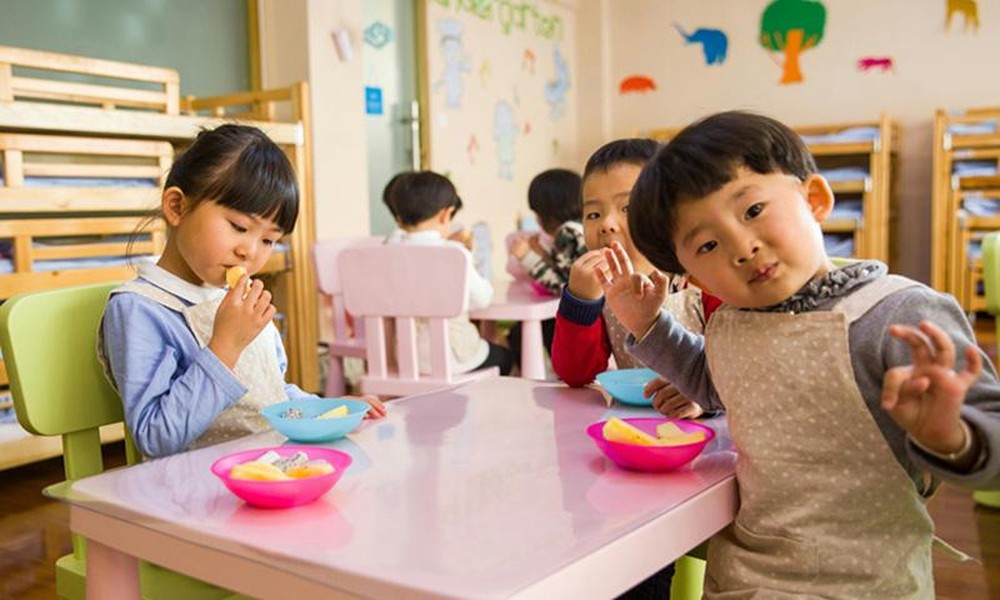
Many preschoolers in the city-state struggle to retain new vocabulary, especially in bilingual households where English is used far more frequently than Mandarin. This instance has led many parents to consider enrolling their child in a Chinese enrichment class to build confidence before formal learning begins. The question remains whether these programmes genuinely help young learners who often forget what they have learned.
Why Some Preschoolers Struggle With Mandarin Retention
Preschoolers often experience difficulty retaining Mandarin due to limited exposure at home, inconsistent practice, and a natural preference for the dominant language spoken in their environment. Once Mandarin is not used regularly, it becomes harder for children to recall words or apply simple phrases in daily communication. A typical tuition centre recognises this challenge and structures its programmes around reinforcing memory through repeated exposure, structured activities, and interactive learning methods that engage children meaningfully.
How Chinese Enrichment Classes Reinforce Learning
A well-designed Chinese enrichment class uses repetition, multisensory activities, and contextual learning to help preschool children remember new content. Rather than relying solely on worksheets, teachers introduce songs, storytelling, picture cards, and hands-on activities that help children form associations between concepts. This approach allows preschoolers to process language in many forms, encouraging stronger recall. Children in a structured setting encounter the same words and phrases across different activities, helping them retain what they learn without feeling overwhelmed or pressured.
The Role of Routine and Repetition
Language retention improves significantly when children experience predictable routines. Enrichment centres build consistent lesson flows where preschoolers revisit vocabulary from previous weeks before learning new content. The familiarity helps reduce anxiety and gives children more opportunities to practise without being conscious that they are “repeating”. Repetition is especially critical in the context of Mandarin because tonal language learning requires consistent exposure. This situation is why many parents observe progress after enrolling their child in a Chinese enrichment class, as the learning structure provides a steady rhythm that is difficult to achieve at home.
Creating an Immersive Mandarin Environment
One key benefit of enrolling in a dedicated programme is the immersive environment created during lessons. Many preschoolers struggle primarily because Mandarin feels foreign to them. However, within an enrichment class, teachers communicate in Mandarin during storytelling, games, and transitions between activities. This steady exposure helps children become more comfortable using the language. A tuition centre in Singapore specialising in early Chinese education typically avoids translating every instruction into English, instead guiding children using visual cues and gestures. This approach allows them to absorb Mandarin naturally, much like how children learn their first language.
Building Confidence Through Small-Group Interaction
Small class sizes also contribute to better retention outcomes. Children who struggle often hesitantly participate in large groups, fearing they will be corrected or judged. Small-group interaction encourages quieter learners to join conversations and practise pronunciation in a supportive setting. Once teachers can give personalised attention, they can adjust the pace, offer targeted reinforcement, and celebrate small improvements. This positive reinforcement can make a significant difference in a child’s willingness to use Mandarin outside the classroom.
Supporting Home Use Through Practical Strategies
The effectiveness of enrichment classes improves further when parents reinforce Mandarin learning at home. Many centres offer simple tips such as using bilingual books, labelling household items, or spending ten minutes a day revising vocabulary. These small habits help keep the language active in the child’s mind. While parents may not be fluent speakers, consistent exposure-even through songs or children’s programmes-helps strengthen memory and retention.
Conclusion
Chinese enrichment classes can be highly effective for preschoolers who struggle with language retention when the programme provides strong structure, frequent repetition, and interactive, child-friendly activities. The immersive environment and personalised support found in a tuition centre in Singapore give children more opportunities to practise Mandarin confidently. Many preschoolers show steady improvement in recalling and applying the language in meaningful situations with consistent reinforcement both in class and at home. This instance makes enrichment classes a practical and beneficial option for young learners who need additional support.
Contact LingoAce to give your child a stronger foundation in Mandarin with the right support.